


Self Assessment
We understand each child’s journey can look completely different. Scroll down to explore the self assessment for Speech Pathology as well as Occupational Therapy.
Speech Pathology Self Assessment
Does my child need help?
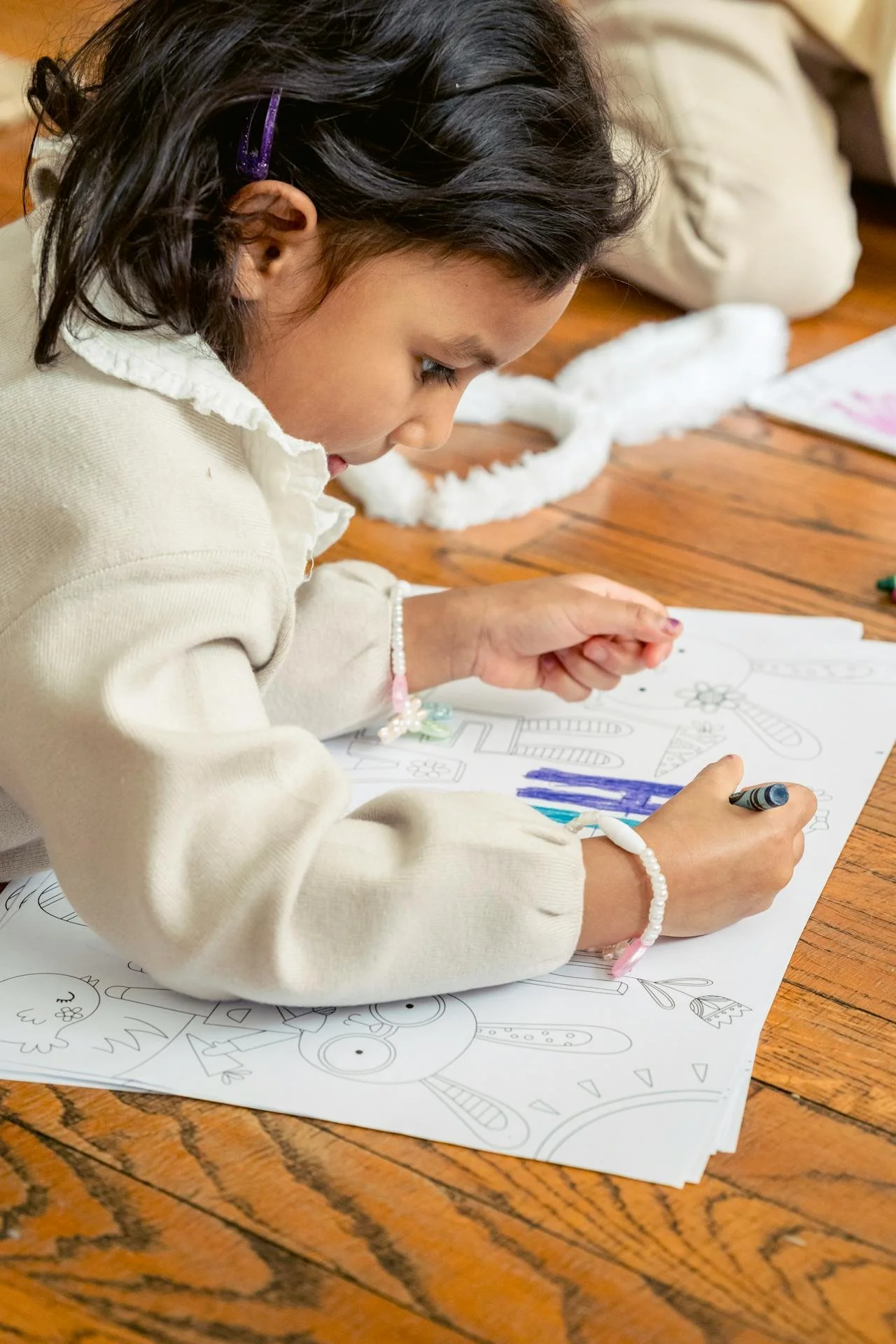
There are several reasons why you might consider a speech pathology assessment:
If you have worries about your child's speech and language skills but are uncertain about the next course of action.
Your GP has suggested an assessment, either during a routine visit or after consulting with you.
Another healthcare provider, like a Pediatrician, Occupational Therapist, or Physiotherapist, has advised an assessment.
Concerns have been raised by your child's daycare or preschool teacher regarding their communication skills.
You are interested in evaluating your child's readiness for school.
Check the milestones below to see where your child may sit.
Continue below to read about an OT Assessment.
Speech Pathology Milestones
12 Months
Enjoys songs, music and books.
Continues to engage in babbling.
Starts to say a few words, such as “dadda” and “mumma”.
Recognises and responds to their name.
These are a few examples of a larger more extensive set of guidelines.
18 Months
Engages in simple pretend play, such as feeding dolls.
Points to show what they want.
Is able to follow simple instructions, such as “throw the ball”.
Using lots of sounds to communicate.
These are a few examples of a larger more extensive set of guidelines.
2 Years
Is able to point to pictures in books when named.
Plays next to other children.
Says “no” when they do not want something.
Talks to themselves or their toys during play.
These are a few examples of a larger more extensive set of guidelines.
3 Years
Recognises some basic colours.
Engages in simple, make-believe activities.
Asks ‘what’, ‘where’ and ‘who’ questions.
Understands size differences, such as big and little.
These are a few examples of a larger more extensive set of guidelines.
5-7 Years
Can guess or give clues to words based on their function, shape, size etc.
Compares the meaning of words and the way they look and sound.
Asks questions to find out specific information, such as ‘why’ and ‘how’.
These are a few examples of a larger more extensive set of guidelines.
4 Years
Takes turns & plays with others cooperatively.
Is able to count to five and name a
few colours.Is able to describes recent events, such as morning routines.
Understands some numbers.
These are a few examples of a larger more extensive set of guidelines.
7-9 Years
Is able to identify when they haven’t understood, and asks questions to help understand.
Can vary tone, stress and gestures to add meaning to their speech.
These are a few examples of a larger more extensive set of guidelines.
5 Years
Should be understood by everyone.
Uses words to invite others to play.
Includes a beginning, middle & end when telling simple, short stories.
Understands instructions without stopping to listen.
These are a few examples of a larger more extensive set of guidelines.
9-11 Years
Follows longer instructions that aren’t familiar.
Can contribute to conversations by asking questions and helping them flow.
Understands simple jokes and idioms, however, may not be able to explain their meaning or why they are funny.
These are a few examples of a larger more extensive set of guidelines.
Occupational Therapy Self Assessment
-
Seems less coordinated than other children of the same age
Difficulty safely using playground equipment
Needs more practice than other children to learn new skills
Tires easily, may slouch in a chair or have poor posture
Has a strong reaction to noise, touch, tastes or smells
-
Has difficulty drawing or colouring within the lines
Avoids writing tasks or has poor handwriting legibility
Holds a pencil with an awkward grasp
Writes with too much or too little pressure
Tires quickly during drawing, writing or cutting tasks
Difficulty holding and manipulating scissors
-
Has difficulty concentrating on a single activity or is easily distracted
Shows rigid thinking or difficulty with problem solving
Has difficulty following 2-3 step instructions (e.g. pack away your pencils, put your book in your bag and come and sit on the floor)
Has difficulty transitioning between activities or coping with unexpected change to routine
Difficulty with self care (meal times, getting dressed, toileting, sleep)
-
Overly active and has difficulty slowing down
Has difficulty calming down after being upset
Has difficulty interacting with peers and/or picking up on social cues and emotions of others
How do I know if my child/student might benefit from an OT assessment?
Occupational therapists (also called 'OTs') can work with children of all ages and their families, carers and educators to help them do the things they want to or have to do including playing, getting dressed, preparing for kindy or school, handwriting, sport and so much more!
The below checklist can highlight some common areas where children may have difficulty and can help you identify if they may benefit from an OT screening assessment.
We can help with your child’s journey
If you would like to book in a consultation, please feel free to fill out the contact form or contact us at:
admin@time2talk.net.au
8391 3336
Please note that our OT waitlist is currently closed.